619508900_18404429860192004_4723960874170540684_n

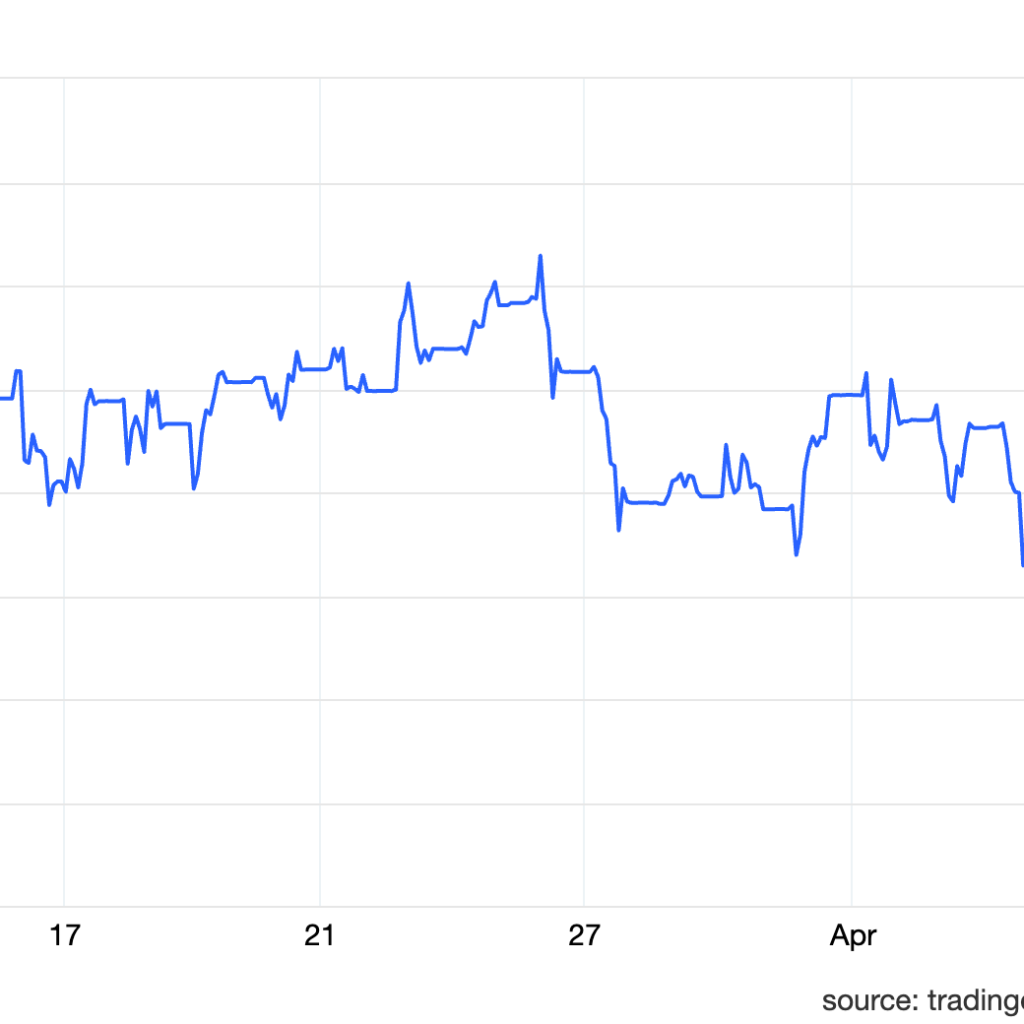
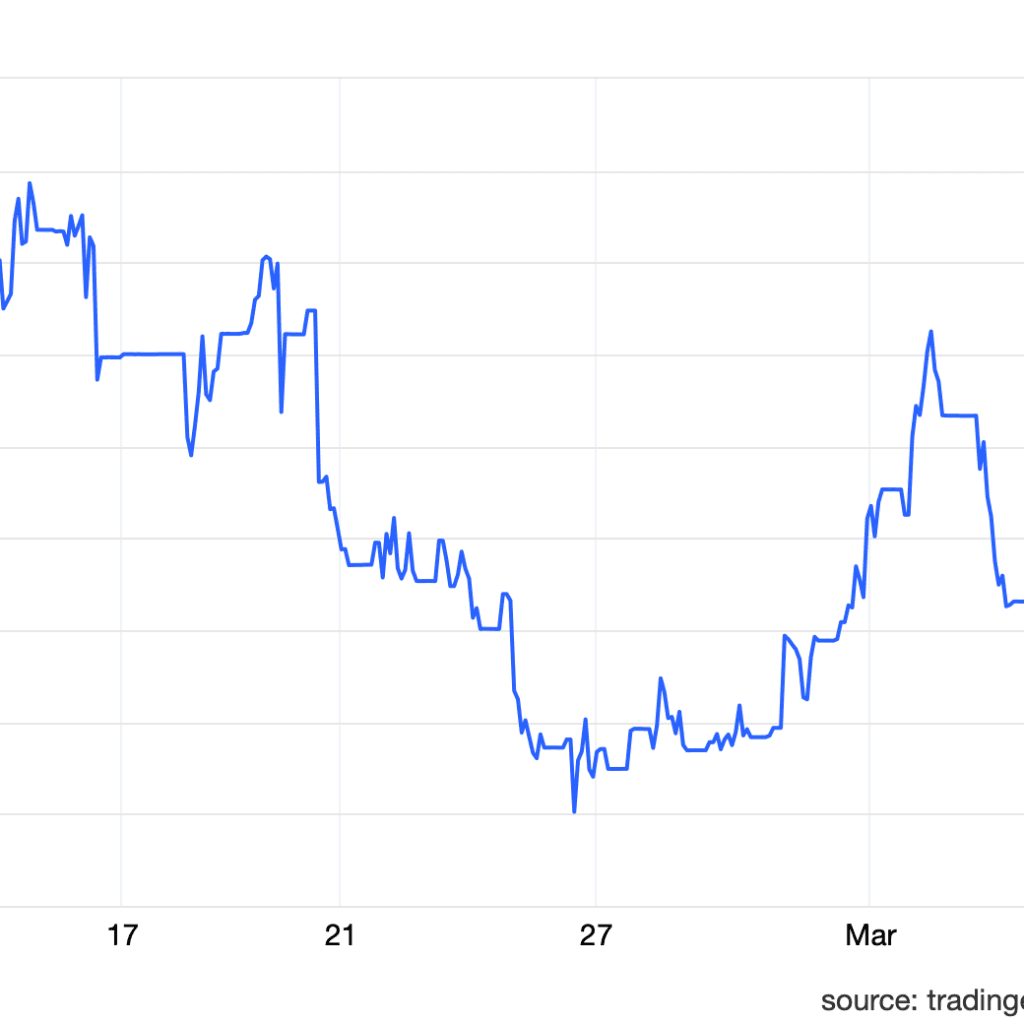
Weekly Coffee Report: February 12 2026

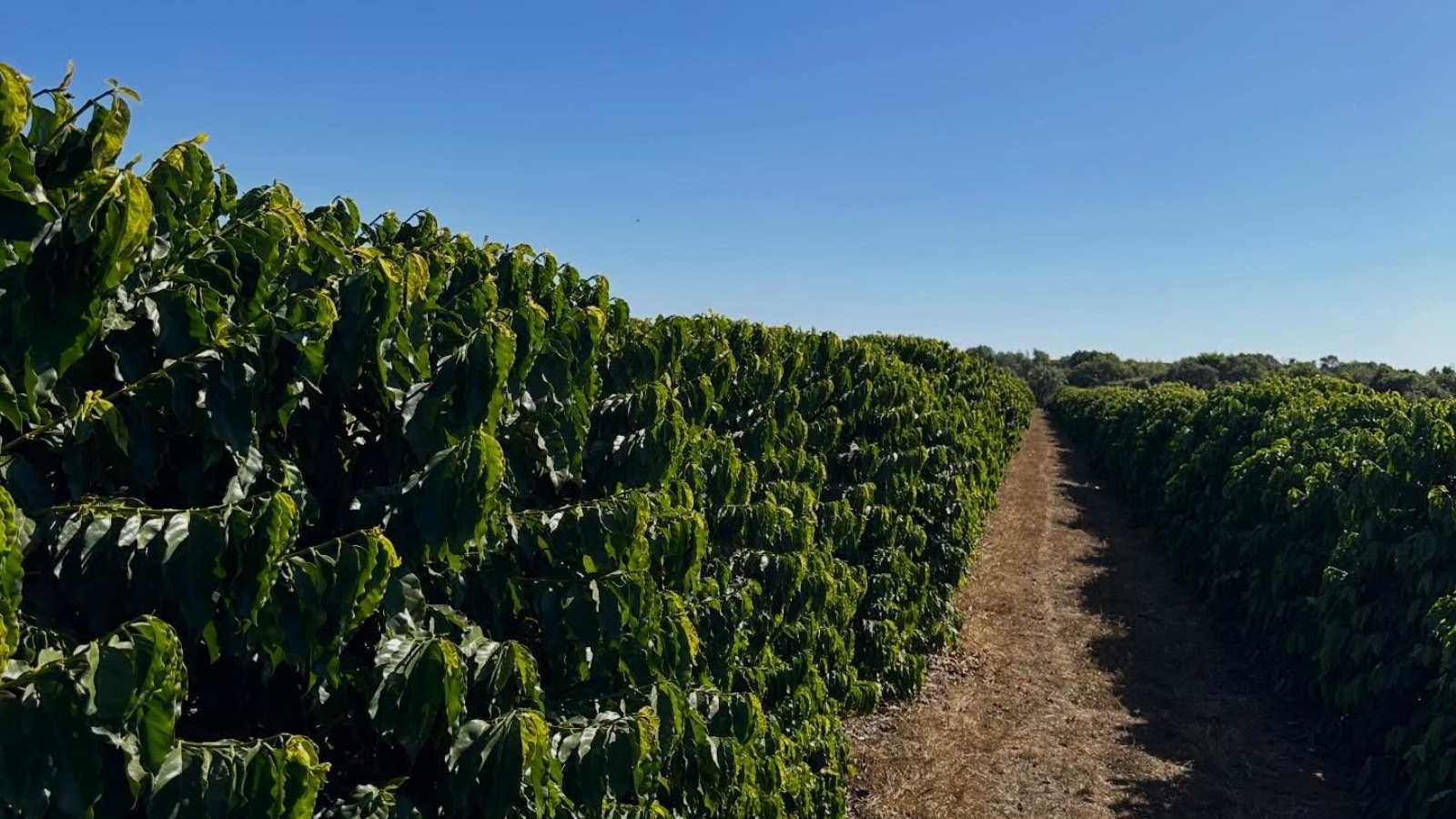
As we sit here, right on the cusp of the coffee harvest, there’s this buzz in the air—quite literally, as farmers are finalising their protective sprays to nurture those bean sizes. Right now in Brazil, the outlook is actually pretty encouraging—bigger screen sizes are on the horizon compared to last year, and the planted area is expanding. So, on the whole, we’ve got reason to be optimistic.

That said, there’s always a twist, right? Stocks are running on the tighter side, and certified coffees are a rare sight in the current mix. But let’s talk speciality coffee—our resilient hero. While inflation has pushed up prices, speciality beans are holding their ground. They’ve always had that extra bit of value, and that’s shining through even more now. Meanwhile, commodity coffee? We might see it slipping into the lower price ranges, but farmers are no pushovers—they’re resisting letting go of their best harvests for cheap.

Another layer: the Brazilian real is giving us a currency twist. As it gain ground to the dollar, Brazilians are now more willing to pay competitive prices locally, which shifts the dynamic between home and export markets.

Of course, we can’t ignore global uncertainties. The U.S. is stirring the pot with NATO, and Iran’s situation is casting short-term ripples. But if history tells us anything, coffee is a global citizen, and while tensions flare, the cup in your hand remains a steady comfort.

So, as we head into this harvest season, let’s brew a little hope with our beans. Whether it’s a commodity or a speciality, there’s a lot brewing in the cup this year. Cheers!

Cal.
pexels-bayawe-coffee-nomad-456337-1187761

Weekly Coffee Report: April 28 2025

Market Overview

President Trump’s retreat from attacks on Federal Reserve Chairman Jerome Powell and his signalling of lower-than-expected tariffs against China boosted US risk assets this past week. The fundamentals of the coffee market drove Arabica contracts sharply higher on ICE Futures US until Thursday, 24 April, with volatility increasing on Friday, 25 April, as contradictory signals emerged in the US-China trade tensions. Despite recent improvements in the business environment, global uncertainty remains high, with unpredictable negotiations ahead amid the US president’s rapidly changing positions.

Price Movements

Arabica contracts for July 2025 on ICE Futures US broke the $4 barrier, reaching a high of $4.1050 per pound before closing at $3.9985, up 105 points on Friday, 25 April. The past week’s performance was markedly positive, with a weekly gain of 2,725 points (7.31%). In 2025, so far up to Friday, 25 April, July contracts have increased by 9,140 points.

Robusta contracts for July 2025 on ICE Europe reached $5,488 per ton before closing at $5,415, down $12 on Friday, 25 April. For the week, these contracts rose by $138, continuing last week’s $228 gain. Since 25 April 2024, July Robusta contracts have accumulated a rise of $688 per ton.

Inventory

Certified coffee stocks on ICE Futures increased by 6,095 bags as of Friday, 25 April, standing at 822,021 bags compared to 661,492 bags a year ago. This past week saw an increase of 26,433 bags, following last week’s rise of 11,029 bags. The first quarter of 2025 had accumulated losses of 209,491 bags.

Currency

The dollar completed its sixth consecutive trading session of decline against the Brazilian real, falling 2% this past week to close at R$5.6880. In reais, July contracts on ICE Futures US rose 5.2% this week, closing at R$3,008.51.

Physical Market 

The strong price rise in New York stimulated more movement in the Brazilian physical market, with higher offers and increased deal closures. However, transaction volume remains below buyer needs, as few lots from the 2024 harvest remain with producers, and at current prices, coffee growers are reluctant to sell.

Exports

As of the 25th, April, coffee shipments totalled 2,070,333 bags (1,797,225 Arabica, 77,383 Robusta, and 195,725 instant), compared to 2,334,908 bags on the same day in March. Requests for certificates of origin for April shipments reached 2,473,147 bags, down from 2,872,994 bags in the previous month.

pexels-bayawe-coffee-nomad-456337-1187761

Weekly Coffee Report: 14 April 2025

Global Economic Context

The global economy remains in turmoil following President Trump’s “tariff hike” developments. While initially establishing broad tariffs, Trump reduced rates last Wednesday for non-retaliatory countries while increasing China’s tariffs to 125%. China responded by raising its tariffs on US imports to 84%, deepening the trade war. American stock markets experienced volatility but closed with strong appreciation on Friday, 11 April.

Coffee Market Performance

Coffee prices faced extreme instability this week. After last Monday’s sharp drop and subsequent daily fluctuations, ICE Futures US and ICE Europe closed significantly higher last Friday, following stock market trends. Despite this late rally, both Arabica and Robusta contracts posted negative weekly results.

Arabica Contracts

May Arabica contracts on ICE Futures US displayed remarkable volatility, fluctuating 1,910 points in a single day on Friday, 11 April. They closed last Friday at US$3.5770, up 1,485 points for the day but down 800 points for the past week. This continues a downward trend after losses of 1,420 points the previous week and 1,145 points the week before that, despite overall gains of 6,490 points in the first three months of 2025.

Robusta Performance

May Robusta contracts on ICE Europe recovered to the US$5,000 level, closing at $5,099, up $162 on Friday, 11 April. However, they recorded a modest $13 loss for the past week, following larger declines of $225 the previous week and $178 the week before that. Robusta has gained $464 per ton overall in the first three months of 2025.

Inventory and Currency Movements

ICE Futures certified coffee stocks decreased by 1,000 bags on Friday, 11 April, totalling 784,559 bags – up 147,154 from last year. The dollar experienced sharp fluctuations, closing at R$5.8710 against the Brazilian real, down 0.51% last Friday but up from R$5.8360 the previous week.

Brazilian Market Activity

The Brazilian physical market remained largely paralysed throughout the week. Despite buyer interest across all coffee standards, sellers withdrew at offered prices, resulting in transaction volumes below domestic consumption and export requirements.

Export Performance

CECAFÉ reported that in March there were exports of 3,287,281 bags which is a 24.9% decrease year-over-year and 3.8% below February figures. In the first three months of 2025, shipments totalled 10,707,100 bags, 11.3% lower than the same period in 2024. As of the 11th, of April shipments were 630,044 bags of Arabica coffee, 30,279 bags of Robusta coffee, plus 55,107 bags of instant coffee. April shipments through the 11th reached 715,430 bags, compared to 856,239 bags at the same point in March.

pexels-bayawe-coffee-nomad-456337-1187761

Weekly Coffee Report: 7 April 2025

Global Market Impact

President Trump’s recently announced “reciprocal tariffs” have caused significant market turmoil globally, with US stocks losing $5.4 trillion over two days since it was announced. The minimum tariff on Brazilian exports to the US is set at 10%, while China faces 34%, the EU 20%, Vietnam 46%, and Indonesia 32%. These measures have prompted retaliatory action from China, intensifying concerns about a possible global recession. This has had a major impact on commodity prices in general, putting pressure on the currency rates of countries focused on exporting raw materials. 

Coffee prices on the London and New York stock exchanges have been dragged down in this market “tsunami,” though underlying fundamentals suggest potential stability due to low global stocks and ongoing climate challenges affecting production worldwide.

Market Performance

Arabica contracts due in May on ICE Futures US closed at $3.6570, down 1,955 points on Friday, 4 April, with weekly losses of 1,420 points. These contracts showed extreme volatility with a 2,445-point fluctuation range last Friday. Despite recent declines, Q1 2025 still shows an impressive gain of 6,490 points.

Robusta contracts for May on ICE Europe closed at $5,112 per ton, down $259, with weekly losses of $225 on Friday, 4 April. Q1 2025 maintains a gain of $464 per ton despite recent market pressure.

Inventory & Currency Developments

Certified coffee stocks on ICE Futures decreased by 11,099 bags to 771,014 bags, representing a year-over-year increase of 142,797 bags but a significant Q1 2025 reduction of 209,491 bags.

The US dollar surged 3.70% against the Brazilian real, closing at R$5.8360, further complicating the market landscape for Brazilian producers. In reais, May contracts on ICE Futures US closed on Friday, 4 April at R$2,823.15 per bag.

Brazilian Market Activity

The Brazilian physical market did not open on the 3rd and 4th of April, it was paralysed. There is interest from buyers for all coffee standards, however, based on the prices offered on the market, sellers are reluctant and few deals are concluded. Sales volume continues below necessary levels to meet domestic consumption and export demands.

Shipments

As of Friday, 4 April, March coffee shipments totalled 3,251,768 bags (2,791,975 Arabica, 138,582 Robusta, 321,211 instant coffee), exceeding February’s comparable figure. Certificates of origin requests for March reached 3,441,014 bags. Up to the 4th of April, April shipments have begun with 106,461 total bags, while certificates of origin requests for April total 471,021 bags, down from March’s comparable figure of 627,332 bags.

Outlook

The coffee market outlook remains uncertain as global trade rules undergo profound changes. The impact of these “reciprocal tariffs” requires further monitoring, particularly as Brazilian green coffee exports to the US support thousands of American jobs in processing and marketing.

pexels-bayawe-coffee-nomad-456337-1187761

Weekly Coffee Report: 31 March 2025

Market Overview

The global coffee market continues to face volatility, influenced by recent US trade policies following President Trump’s inauguration in January. This past week, attention focused on the announcement of a 25% tariff on all US automobile imports, with additional reciprocal tariffs expected on April 2. Despite these pressures, coffee market fundamentals remain unchanged, with low stocks in both producing and consuming countries and ongoing climate challenges expected to persist throughout 2025.

Price Movements

Arabica contracts on ICE Futures US experienced significant fluctuations, with May contracts closing at US$3.7995 (up 115 points on Friday, 28 March) but showing an overall weekly decline of 1,145 points, following gains of 5,650 and 170 points in January and February respectively. Robusta contracts on ICE Europe showed similar volatility, with May contracts closing at $5,337 per ton (down $86 on Friday, 28 March). 

Inventory Situation

On Friday, 28 March, certified coffee stocks on ICE Futures decreased by 6,241 bags, bringing the total to 771,576 bags. This represents a year-over-year increase of 176,367 bags. However, 2025, as of Friday, 28 March, has seen a reduction of 208,391 bags so far. This past week alone saw a decrease of 6,132 bags.

Currency Impact

The US dollar strengthened against the Brazilian real, closing at R$5.7620 (up 0.14%) on Friday. In Brazilian real, Arabica contracts for May closed on Friday at R$2,895.97 per bag, down from R$2,959.42 the previous week.

Physical Market and Weather Outlook

Brazil’s physical coffee market remained calm throughout the week. High asking prices limited transaction volumes, with sales falling below requirements for domestic consumption and exports.

Weather forecasts indicate significant changes ahead for Brazil’s coffee regions. Autumn has begun and a cold front is expected to bring substantial rainfall (exceeding 70mm in some areas) and a notable temperature drop during the first week of April. While extreme cold isn’t predicted, some areas in southern Minas Gerais may experience temperatures below 12°C.

Export Activity

As of the 28th of March coffee shipments totalled 2,631,469 bags (2,272,631 Arabica, 126,693 Robusta, and 232,145 instant coffee), slightly down from February’s 2,675,823 bags. However, export certificate requests for March reached 3,175,167 bags, up from February’s 2,901,178 bags.

pexels-bayawe-coffee-nomad-456337-1187761

Weekly Coffee Report: Monday, 24 March

Market Overview

The coffee market has experienced significant volatility this week, with contracts on ICE Futures US and ICE Europe showing notable price movements. The fundamental market conditions remain the same, with low stocks in both producing and consuming countries and ongoing climate-related concerns. 

Weather Conditions

Brazil’s coffee sector is facing challenges due to extreme weather conditions. High temperatures during the Brazilian summer have hampered the growth of the new 2025 harvest and severely impacted coffee crop development for 2026. Between January and February, coffee plantations experienced drought and temperatures exceeding 32°C. Temperatures above this disrupts photosynthesis and also reduces leaf production. Cooxupé (Cooperativa Regional de Cafeicultores em Guaxupe) the world’s largest coffee trader, emphasises ongoing climate instability, with some regions experiencing rainfall volumes 60% below historical averages.

Contract Prices

Arabica contracts for May 2025 on ICE Futures US demonstrated substantial price fluctuations. The contracts rose 1,420 points last week, closing at US$ 3.9140. They reached a daily high of US$ 3.9575, with significant price movements throughout the last week. Comparatively, January 2025 saw a substantial rise of 5,650 points, highlighting the market’s volatility.

Robusta contracts on ICE Europe also showed price increases. May 2025 contracts closed at US$ 5,515, rising 118 dollars this last week. The contracts experienced varied daily movements, with January 2025 showing an increase of 889 dollars.

Inventory and Stocks

Certified coffee stocks on ICE Futures have declined, currently standing at 777,708 bags on Friday, 21 March. This represents an increase of 217,081 bags compared to a year ago, with a year-to-date reduction of 205,394 bags. The Brazilian physical market remains calm, with high offer prices preventing the closing of deals. There is interest from buyers for all coffee standards, however, at the price bases offered in the market, sellers retreat and deals are not finalised. 

Shipping and Market Dynamics

As of Friday, 21 March shipments were 1,526,707 bags of Arabica coffee, 57,775 bags of Robusta coffee, plus 131,788 bags of insant coffee, totalling 1,718,270 bags shipped, compared to 1,783,338 bags on the same day in February. Certificates of origin requests reached 2,245,925 bags. The Brazilian Real traded at 5.7180 to the US Dollar (on Friday, 21 March), influencing contract pricing in local currency.

Market Outlook

The coffee market continues to face uncertainty. Climate instability, low crop yields, and reduced photosynthesis in coffee plantations suggest potential ongoing challenges. Market participants remain cautious, with Cooxupé noting the difficulty in predicting precise crop impacts until after harvesting and processing.

pexels-bayawe-coffee-nomad-456337-1187761

Weekly Coffee Report – March 17, 2025

Market Overview

Coffee prices on ICE Futures US (New York) and ICE Europe (London) experienced significant volatility this week amid global market uncertainty. Arabica contracts due for next May in New York closed at US$3.7720, down 850 points on Friday (14 March) and 720 points for the week. Meanwhile, Robusta contracts for next May in London ended at US$5,397 per ton, down $131 on Friday (14 March) but up $44 for the week. Market volatility is expected to continue, influenced by geopolitical factors, particularly changes in US economic policies under President Trump and broader global economic uncertainty, as evidenced by gold prices surpassing US$3,000 per ounce for the first time in history.

Price Movements

  • Arabica contracts due for next May in New York:
    • Fluctuated 1,275 points on Friday (14 March) 
    • Fell 720 points this week, following a 1,135-point gain last week
  • Robusta contracts due for next May on ICE Europe rose $44 this week after gaining $23 the previous week

Brazilian Exports

CECAFÉ reported February coffee exports of 3,273,877 60-kg bags, representing approximately:

  • 10.4% decrease compared to February 2024
  • 18.2% decrease compared to January 2025
  • 2,769,883 bags of Arabica (down 16.03% from January)
  • 226,127 bags of Robusta (down 32.3% from January)
  • 274,890 bags of instant coffee (down 24.91% from January)

For the first two months of 2025, Brazilian exports fell 5.4% (416,000 bags) compared to the same period in 2024.

Port Activity

Santos remained Brazil’s primary coffee export port, handling 5.637 million bags (77.5%) in January-February 2025. Rio de Janeiro handled 1.323 million bags (18.2%), while Paranaguá processed 84,203 bags (1.2%).

Currency Impact

The Brazilian real strengthened against the US dollar, with the exchange rate closing at R$5.7440 on Friday (14 March), down 0.95% for the day and from R$5.7900 the previous week. Arabica contracts due in May in the local currency closed at R$2,866.03 per bag, down from R$2,944.12 last week.

Physical Market

The Brazilian physical market remained stagnant with few transactions completed. Despite buyer interest across all coffee standards, high asking prices deterred sellers, keeping sales volume below domestic consumption and export requirements.

Shipments

As of the 14th of March shipments were 2,772,860 bags of Arabica coffee, 226,127 bags of Robusta coffee, plus 274,890 bags of instant coffee, totalling 3,273,877 bags shipped, compared to 3,976,765 bags on the same day in February. As of the 14th of March, requests for issuance of certificates of origin for shipment in March totalled 3,115,656 bags, compared to 4,592,748 bags on the same day in the previous month.

pexels-bayawe-coffee-nomad-456337-1187761

Weekly Coffee Report: 10 March 2025

Market Overview: Coffee markets experienced volatile trading this week with strong gains in the first three days followed by declines on Thursday (6/3) and Friday (7/3). Despite the late-week pullback, ICE Futures US and ICE Europe ended positively. Arabica contracts on ICE Futures US rose 1,135 points (3%) for the week, while Robusta contracts on ICE Europe rose $23 (0.43%). Market fluctuations were largely attributed to reactions to unspecified economic and political measures announced by the US president.

Fundamental Factors: Despite price volatility, market fundamentals remain unchanged. Stocks continue to be low in both producing and consuming countries, with ongoing climate problems and extreme weather events occurring globally with no improvement expected in 2025. Brazil faces a tight supply scenario from January to June 2025, with consensus that very little coffee remains from the current harvest, with coffee growers. This limited supply must meet domestic consumption of approximately 1.7 million bags monthly until May, plus export commitments for March through June. The upcoming 2025 Brazilian harvest is not expected to exceed 2024 production levels.

Policy Developments: The Brazilian government announced measures to reduce food prices in the country, including eliminating import tariffs on coffee (previously 9%). However, ABICS (Brazilian Association of the Soluble Coffee Industry) called the measure “futile,” noting that phytosanitary requirements remain in place, limiting coffee imports to just Peru and Vietnam – both facing their export challenges. Vietnam, the world’s largest producer of Robusta coffee, had problems with its harvest, which grew compared to last season but fell short of initial forecasts. At the same time, exports from Peru fell by 77% in volume in January. 

Weather Conditions: Dry and hot weather has continued throughout the weekend in coffee-producing areas of São Paulo, Minas Gerais, and interior Bahia, with intensifying heat expected to increase thermal stress for the coffee plantations.

Price Action: Arabica contracts for May 2025 on ICE Futures US fluctuated 1,300 points on Friday, 7 March, reaching a high of $3.9205 before closing at $3.8715, down 275 points. On ICE Europe, Robusta contracts for May 2025 hit a daily high of $5,478 per ton.

Inventory Status: ICE Futures US certified coffee stocks rose by 3,145 bags on Friday, 7 March, totalling up to 797,826 bags. This is an increase of 386,949 bags year-over-year but down 182,141 bags since the beginning of 2025.

Brazilian Market: The physical market remained calm and largely paralysed throughout the past week. February coffee shipments totalled 3,063,778 bags, which is a decrease from January’s 3,858,121 bags. March shipments have reached 267,559 bags (239,192 bags of Arabica coffee, 7,527 bags of Robusta coffee, plus 20,840 bags of instant coffee) as of Friday, the 7th of March. 

Currency Impact: The dollar rose 0.52% against the Brazilian real, closing at R$5.7900. On Friday, 7 March, the quotes for delivery in May on the ICE Futures US closed at R$2,944.12 per bag.

pexels-bayawe-coffee-nomad-456337-1187761

Weekly Coffee Report: 3 March 2025

Market Overview: Coffee prices in New York and London continued to fall this past week. Arabica contracts for May on ICE Futures US closed at $3.7305, down 55 points on Friday, the 28th of February and 1,620 points for the week. Robusta contracts on ICE Europe closed at $5,330 per ton, down $34 on Friday and $387 for the week. Market pressure stemmed from global markets, including a “dispute” between the US and Ukrainian presidents, while Brazil’s markets were additionally affected by political developments under Lula’s government in Brazil.

Fundamental Factors: Despite price declines, market fundamentals remain the same. Stocks are low in both producing and consuming countries, with ongoing climate problems globally that show no signs of diminishing in 2025. Brazil faces a particularly tight supply scenario through January to June, with consensus among market participants that very little coffee remains from the current harvest in the hands of coffee growers. This limited supply must meet domestic consumption of approximately 1.7 million bags monthly until May, as well as export commitments for March through June, with no expectation that the new 2025 harvest will exceed 2024 production levels.

Weather Conditions: A fifth heat wave is hitting Brazil from February 28 to March 6, affecting key coffee-growing regions. Southeast and Central-West regions will experience temperatures 5-7°C above average for March due to a high-pressure atmospheric system inhibiting cloud formation and favouring the increase in temperatures.

Supply Challenges: The surge in coffee prices is not only affecting consumers’ pockets. At least four coffee traders from producing regions in Minas Gerais are struggling to honor commitments made in recent months. Companies including Atlântica, Cafebrás, Central do Café, and Cooperativa Central de Muzambinho face difficulties after signing future contracts without having the coffee goods, expecting price drops that never materialised.

Inventory Status: ICE Futures US certified coffee stocks fell 3,540 bags today to 805,588 bags. This represents an increase of 462,822 bags year-over-year. Stocks decreased by 174,379 bags since the beginning of 2025.

Brazilian Market Conditions: The physical market in Brazil remained largely paralysed throughout the week. Despite interest in all coffee standards, deals aren’t concluding as sellers retreat from buyers’ offered prices. February shipments totalled 2,749,477 bags (2,327,601 Arabica, 194,319 Conilon, 227,557 instant coffee) as of February 28, down from January’s 3,668,618 bags for the same time.

Currency: The dollar closed at R$5.9160 on Friday, the 28th of February, up 1.49%. Arabica May contracts closed at R$2,919.37 per bag, down from R$2,950.89 last week.

pexels-bayawe-coffee-nomad-456337-1187761

Weekly Coffee Report: 24 February 2025

Focus on Japan: A recent report has found that Japan’s instant coffee market is set to reach US$ 4.56 billion by 2030. Two roots cause the result of this. Number one is the cost of living squeezed in a developed country with rising coffee prices pushing people to the instant coffee market. The growth of speciality coffee brands such as Allpress are transitioning to making instant coffee with speciality-grade. I also read recently, that there’s been a growth in coffee inventory stocks which is a factor contributing to price stability. Heading towards the end of February, we approach the beginning of the harvest season in Brazil which could start as early as the start of April. This is another factor that hopefully brings stability to the market as the old stock needs to be liquidated to make room for the new crop.

—

Market Overview: After weeks of historic price rises from the beginning of 2025, coffee trading experienced a slower week. Last Monday’s national holiday in the US paralysed trading, while the rest of the week saw volatile sessions with falling closures due to the March-to-May contract rollover. Despite recent fluctuations, market fundamentals remain strong, with low stocks in both producing and consuming countries and ongoing global climate challenges.

Stocks & Inventory: On Friday, February 21st, certified coffee stocks on ICE Futures US increased by 8,936 bags to 787,999 bags. This shows a significant year-over-year increase from 307,262 bags. However, stocks fell by 51,400 bags this week and have decreased by 112,385 bags since January.

Brazilian Market Conditions: Brazil faces a tight supply scenario for the first half of 2025. With minimal remaining coffee from the current harvest, meeting domestic consumption (1.7 million bags monthly until May) and export commitments through June pose challenges. The 2025 harvest is not expected to be larger than 2024 levels.

Weather and Shipping: Weather forecasts indicate changing conditions in centre-south producing areas, with a cold front expected to bring moderate rainfall, particularly affecting São Paulo and southern Minas Gerais regions.

Exports: As of the 21st of February, Brazilian February shipments totalled 1,886,730 bags (1,614,438 Arabica, 128,072 Conilon, 144,220 instant coffee), down from January’s 2,687,021 bags. Requests for the issuance of certificates of origin for February reached 2,113,954 bags, compared to January’s 3,473,199 bags.

Currency: On Friday, 21 February, the Brazilian Real closed at R$5.7310 to the dollar, up 0.47% from the previous week’s R$5.6970.