
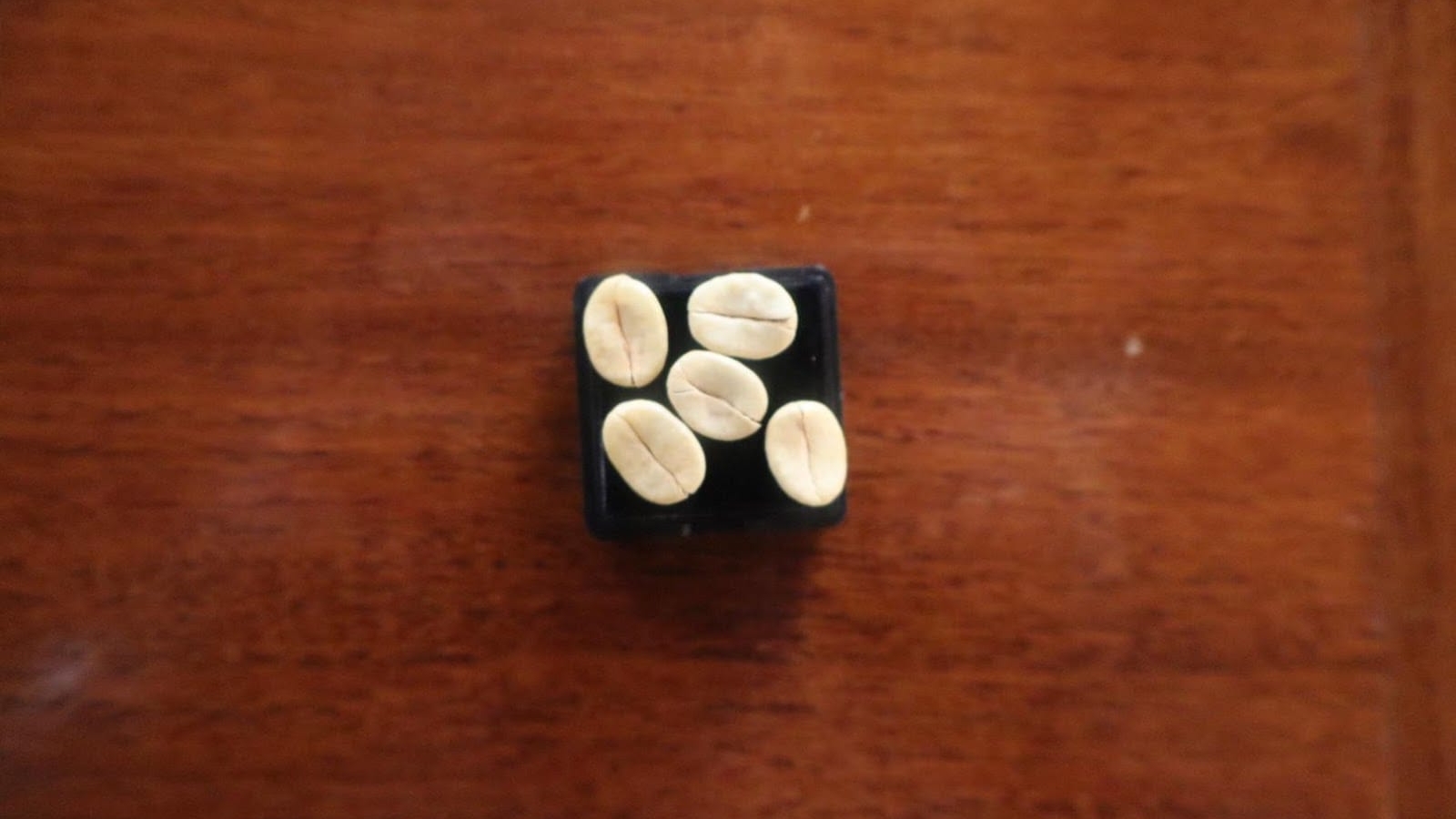
There are different processes that coffee can have. Today, we will access the three most common coffee processes.
Anaerobic and Fermented Coffees
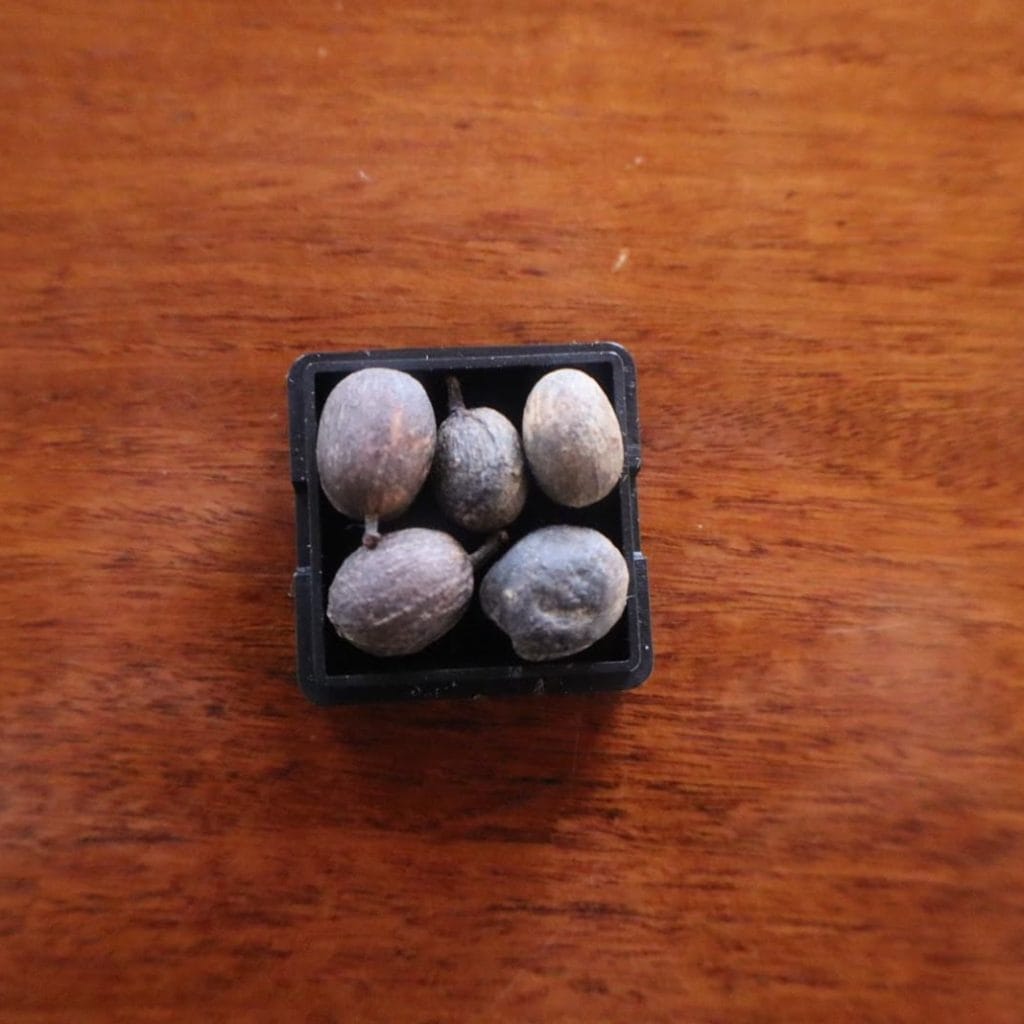
The natural method is the most common in Brazil for harvesting. The cherries are harvested either mechanically or by hand and laid onto patios to dry along with the mucilage coffee husks (sugars of the coffee cherry) and papyrus. It holds all the sugars inside the coffee pod during the drying stage of the coffee cherry and often results in a sweeter coffee.
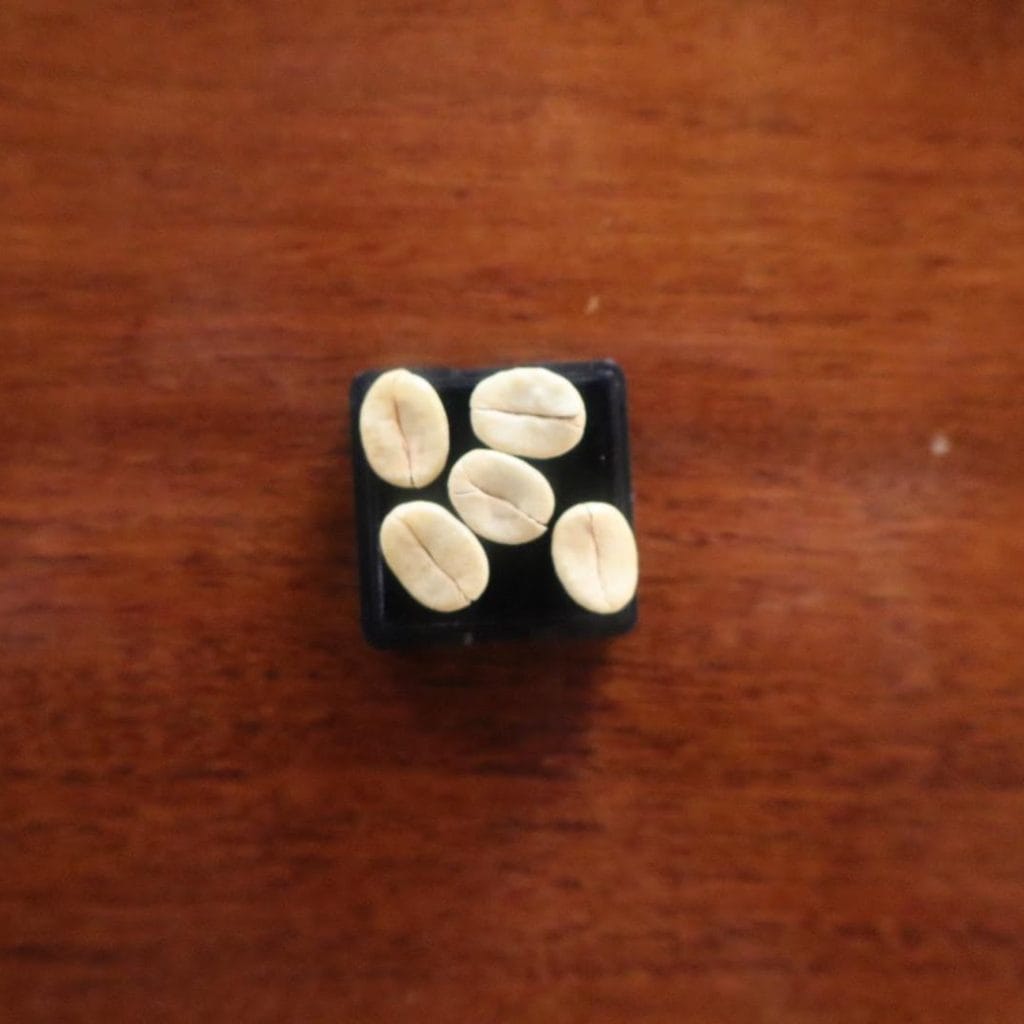
Washed coffee is also harvested mechanically or by hand, but instead of being dried it goes into a de-pulping station – more commonly known as washing. The washing station separates the sinker (ripe with more water) and floater (dry with less water) cherries. The cherries that sink are more ripe and mature which are then de-pulped. The washing station removes the husks and the mucilage, leaving only the bean and the papyrus. These beans are then laid in thin layers and naturally or mechanically dried.
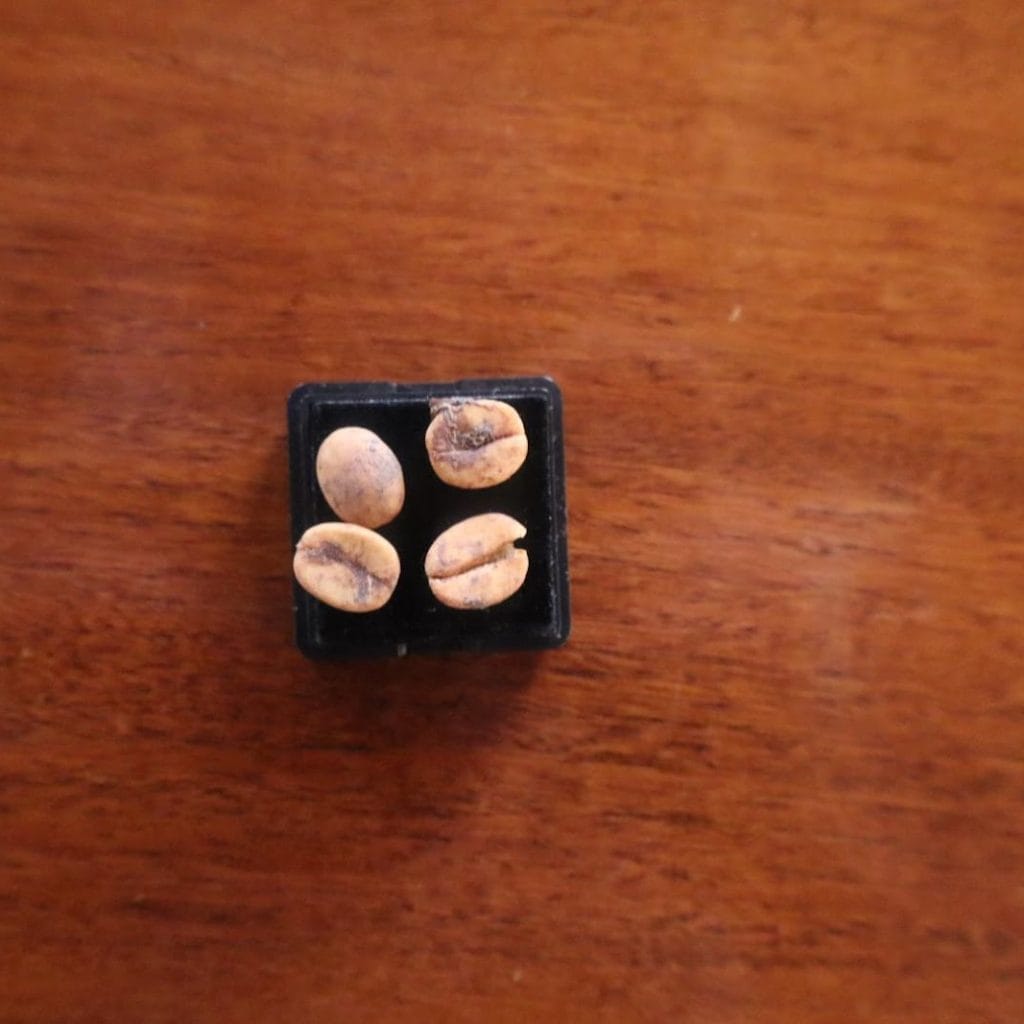
Similar to the washed coffee, the sinker cherries go through the de-pulping station, but the mucilage is not removed. In Africa and Central America, often these coffees are fermented in tanks or in barrels before being dried. In Brazil, the honey process leaves the beans, with the papyrus and the mucilage which is dried mechanically or in patios. The tasting profile is clean and smooth.
This is the most modern and latest method of processing coffee. You can either add into anaerobic tanks, often water gallons or wine barrels to ferment the coffee with no entrance of air. Air exits the container via a decanter. Fermented coffee is often carried out in tanks, which are not necessarily sealed. In both cases, the sugars go through a fermentation process which adds a very boozy and fruity flavour which is different in the end product. You can ferment coffees that are naturally, washed or honey processed. You can also add, into the fermentation stage, yeast which also adds greater complexity. This is very common in Africa and Central America. Brazil is still learning how to scale up this process.
After this, all the coffee is put to rest to create homogenous batches that are consistent in taste and moisture. This process varies from as little as 15 days up to 75 days. The taste will become uniform after the resting phase. Farmers can store them for up to a year in their siloes (or as they need to sell). Further processes after drying will come in future blogs – watch this space!
Leave A Comment
You must be logged in to post a comment